
MISSION
Our mission is to foster stronger and more resilient families; build organized, informed parent and teacher groups; and to support school communities in coming up with their own solutions to historic inequities through policy and advocacy work.
Contact us at Democracyproject@icloud.com
TDP’s work emerged in response to Baltimore City teachers who seek to connect what they do in the classroom to the issues that students and families grapple with. It also emerged from parents feeling powerless to have an impact on the education of their children. There is strong consensus around the idea that decisions at the classroom, school and district level are currently so complex that few people feel they have a say, even when they care passionately about an issue or practice. We do this work because we know that when parents and teachers come together, they can improve academic success and change policies and practices that need changing.
Bridging the gap between educators and families
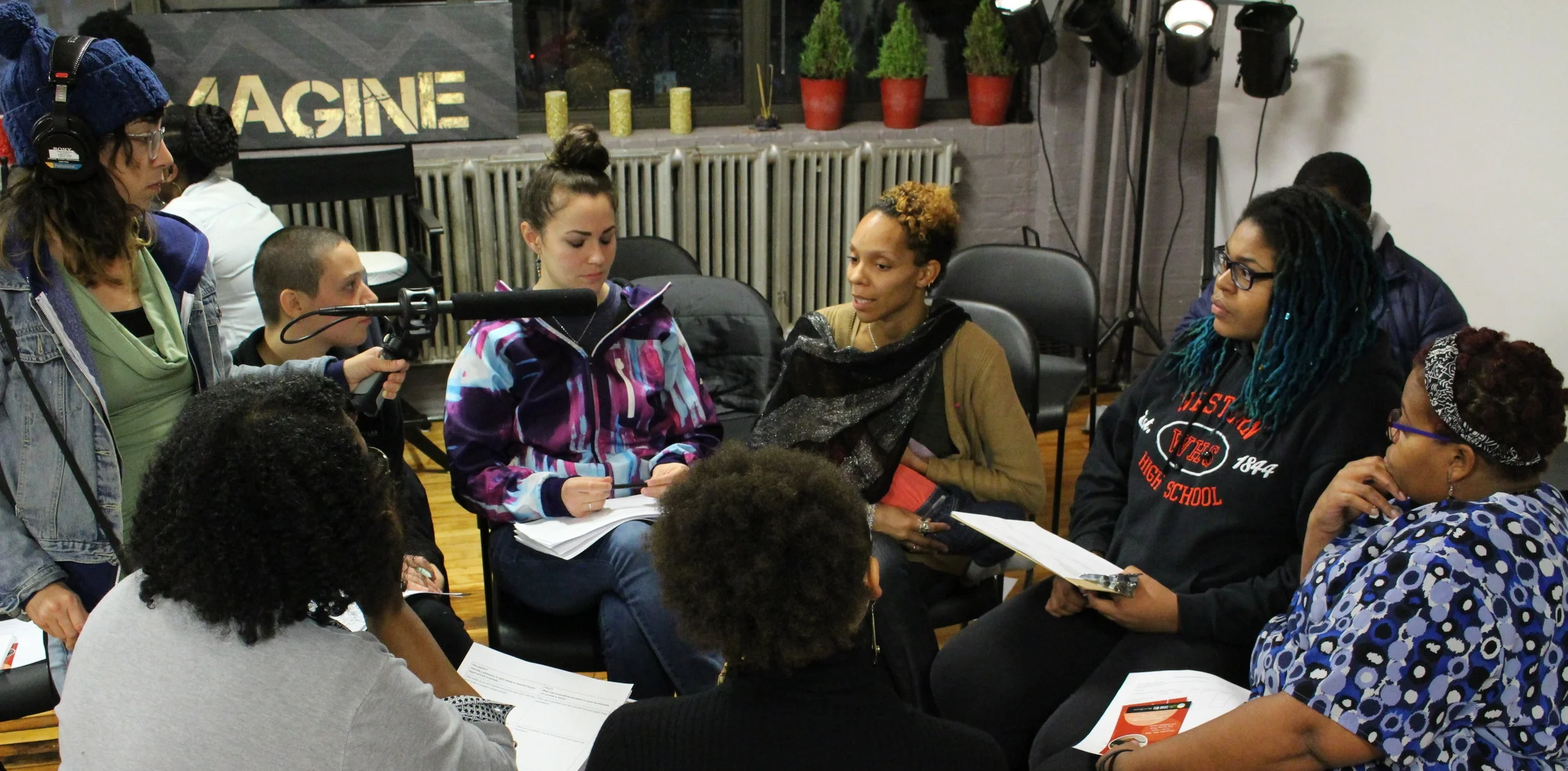
We offer fellowships for families and school staff who want to strengthen their relationships so that children feel more supported academically, parents feel more empowered to participate in the schol community and educators understand what’s needed to build authentic relationships with families.
Policy and Advocacy Work
Advocacy issues that we work on are selected through deep listening to stakeholders. The policy areas we focus on are honed in response to research into national trends and exemplary initiatives in other cities, as well the experience of teachers and parents we work with.
Building Resilience
We offer a 9-week series to support families who want practical tools for understanding how trauma and stress works in the brain and body, how to regulate their nervous systems, strengthen connection and attachment with their children through identifying with emotions and underlying needs in ourselves and others, communicating feelings, requests and limits effectively, resolving conflict, and recognizing and changing patterns that can perpetuate harm. Unlike therapy, we do our work in community so participants can better see that they are not alone and that the struggles they face are often rooted in collective systemic struggles.